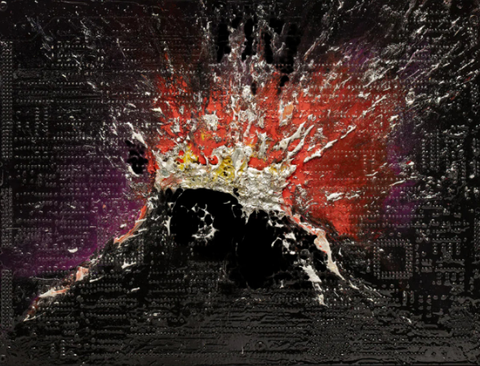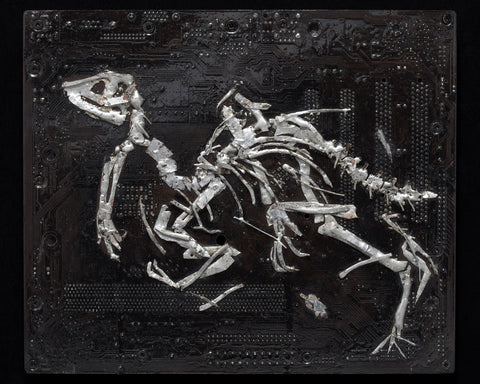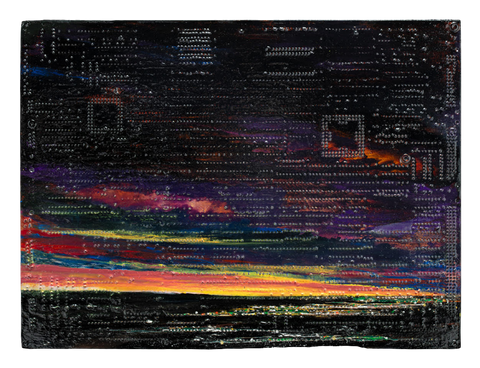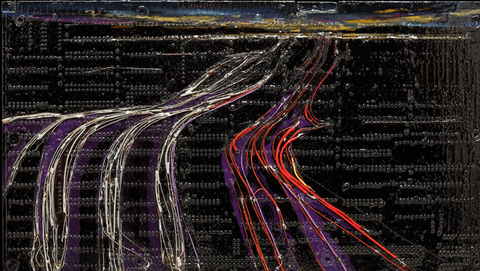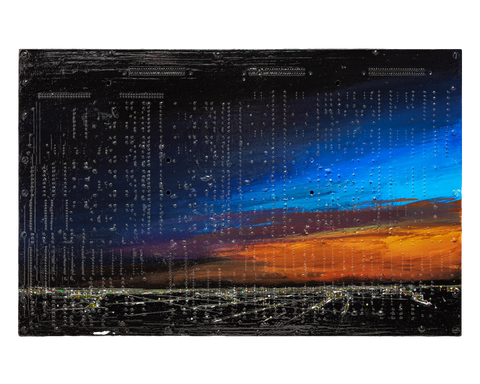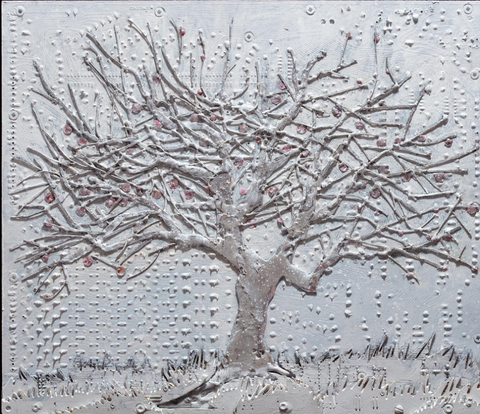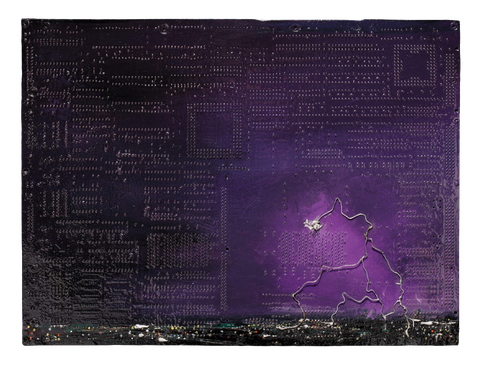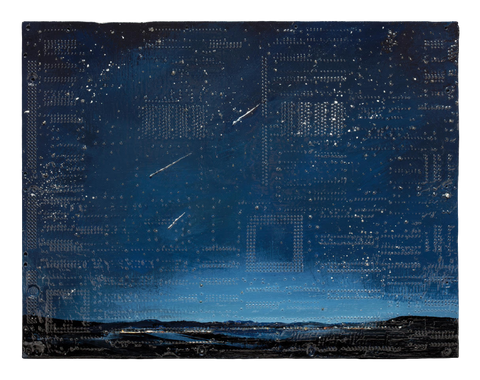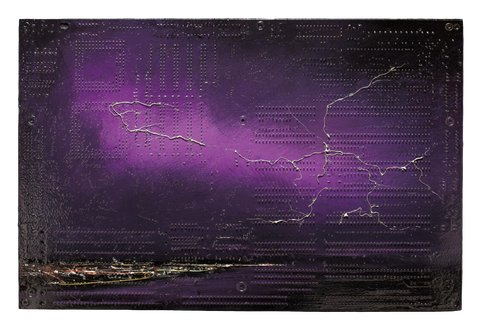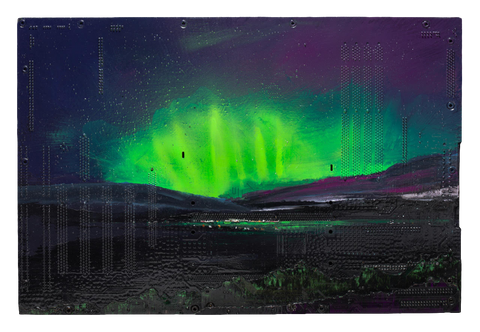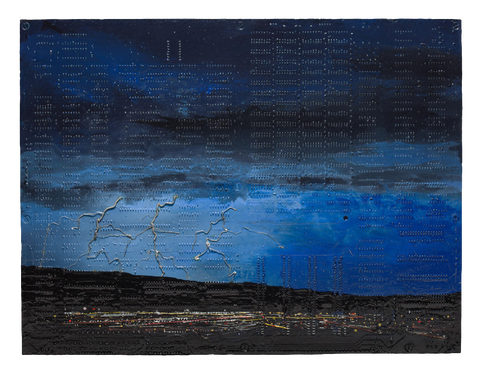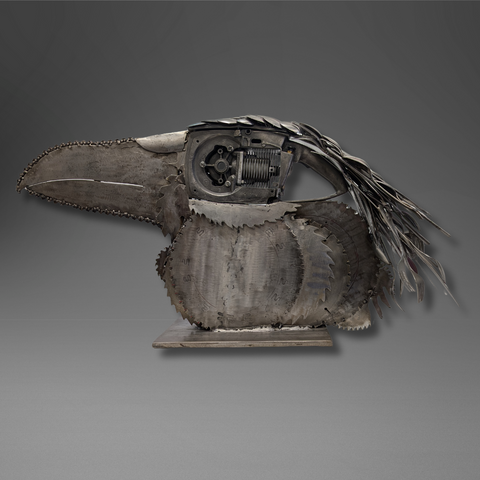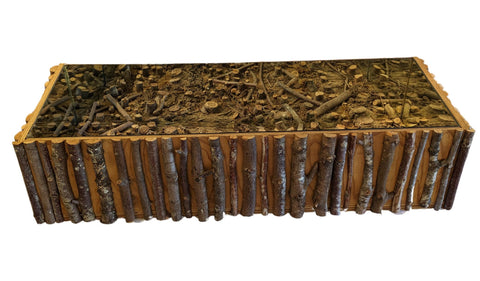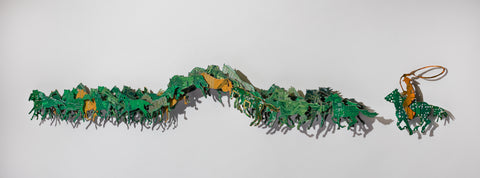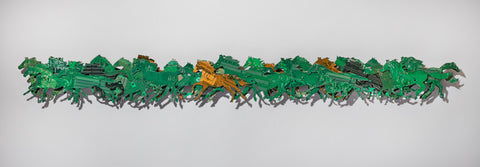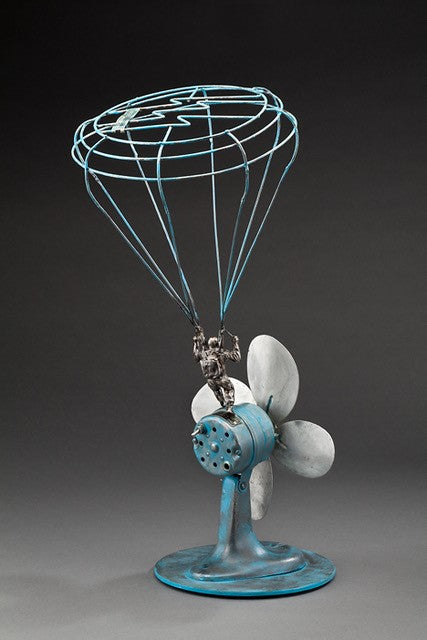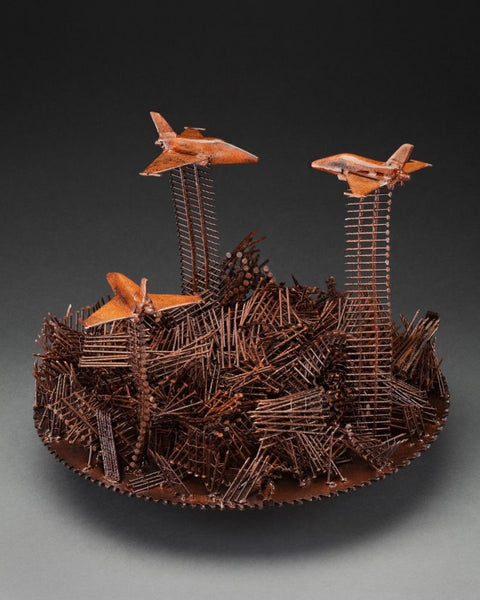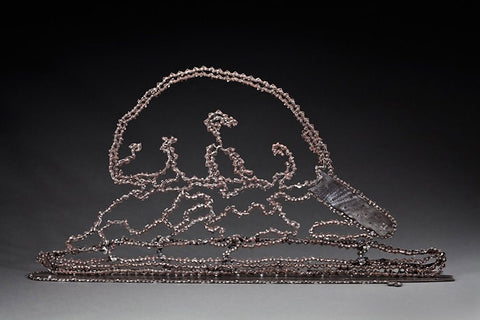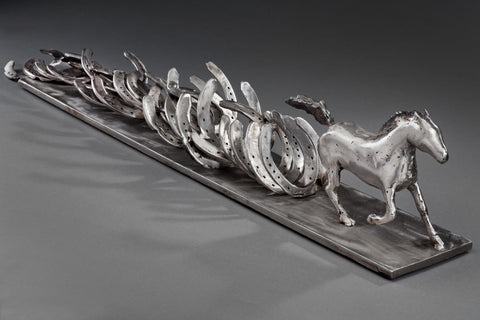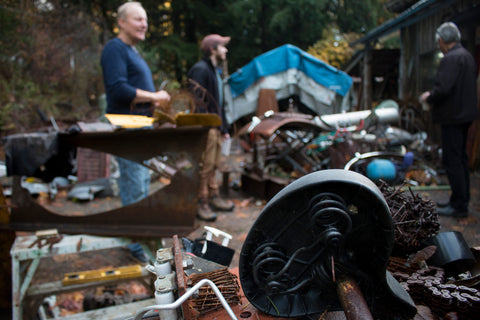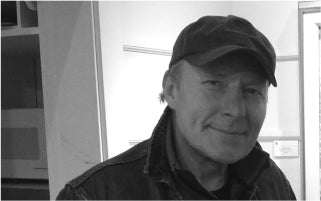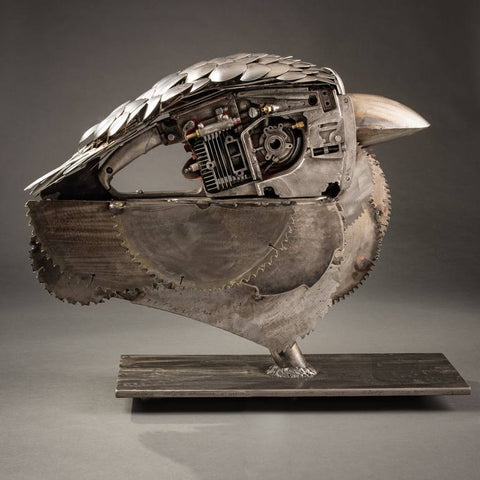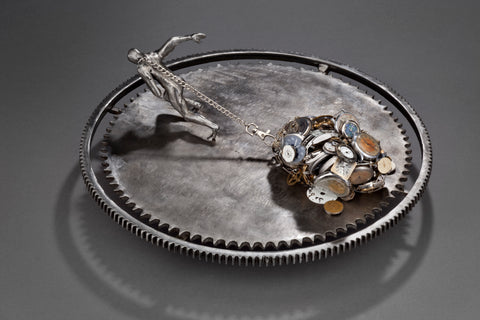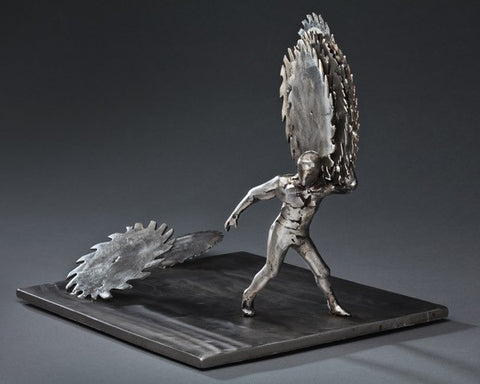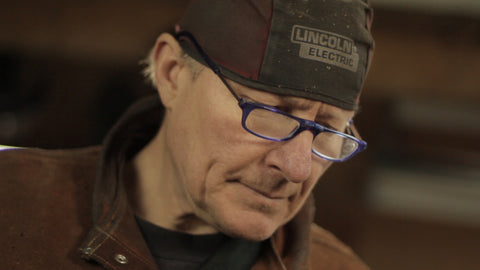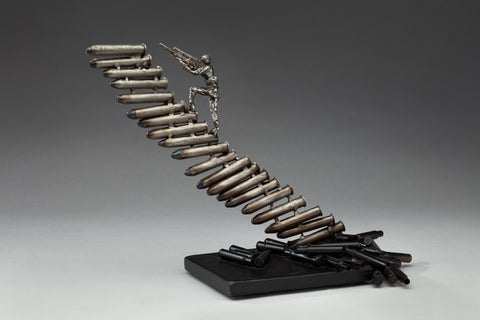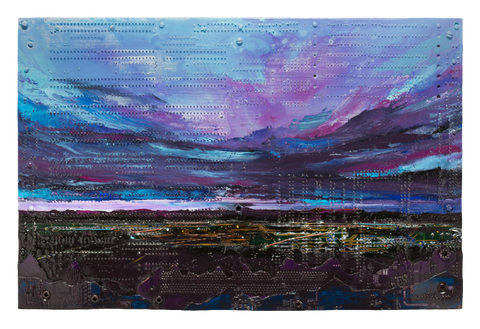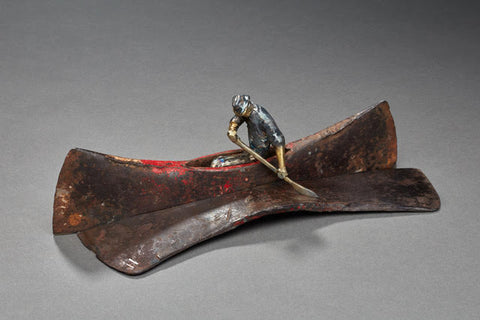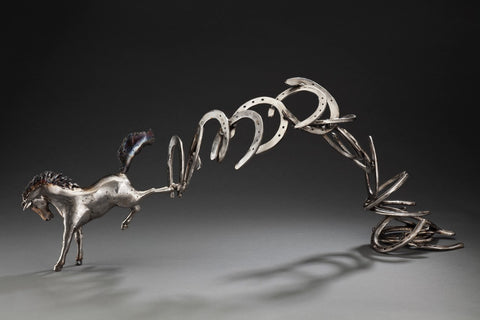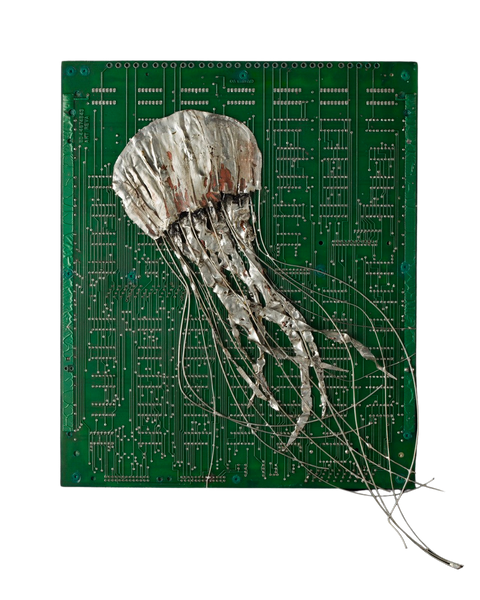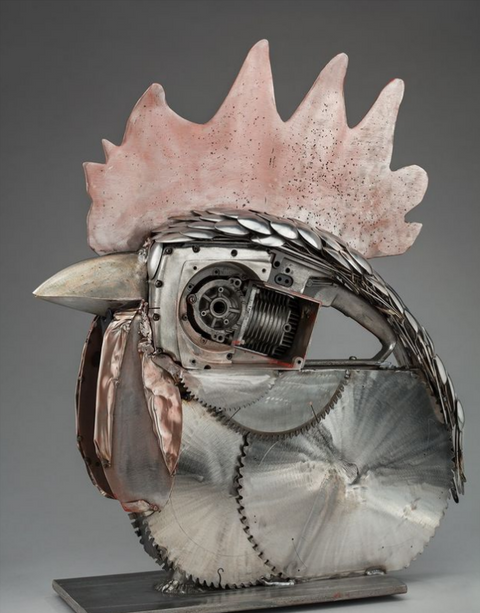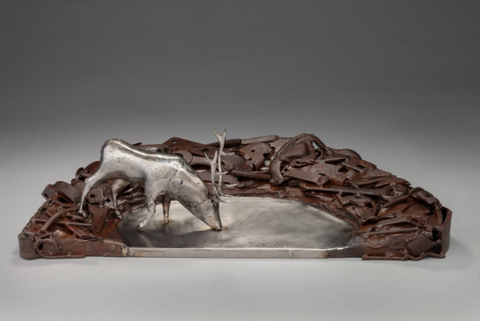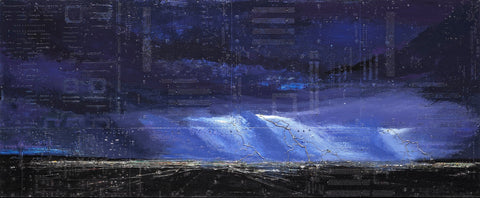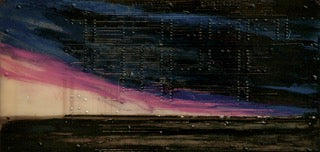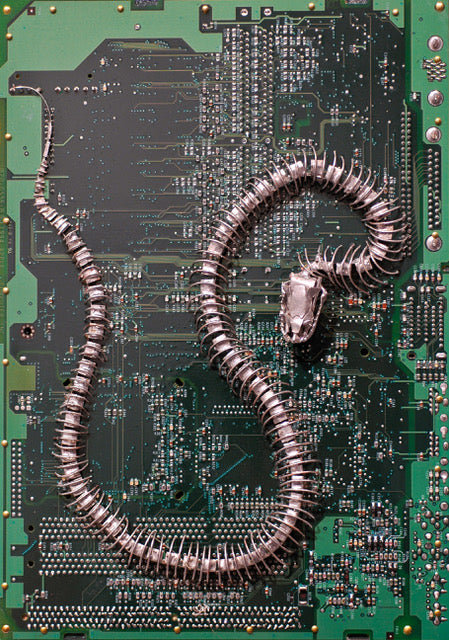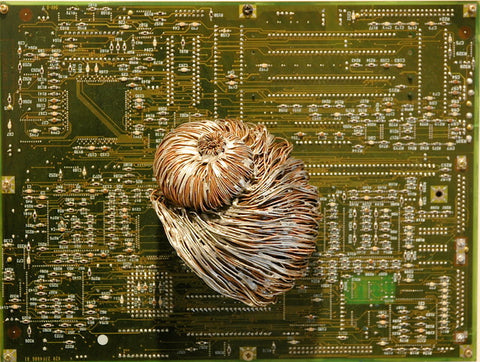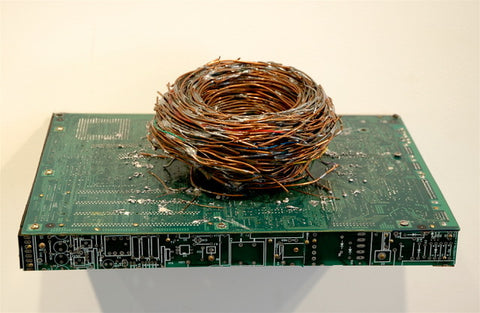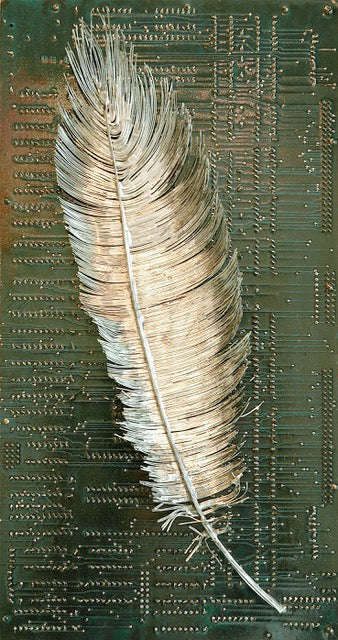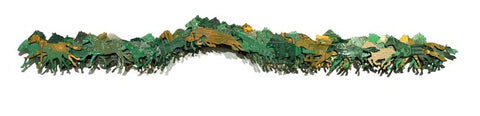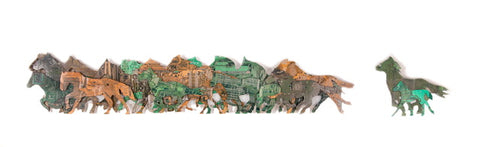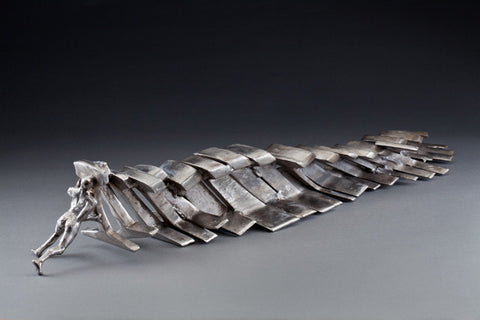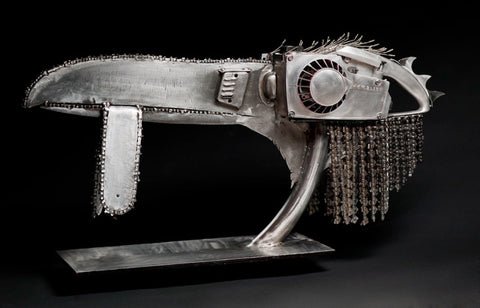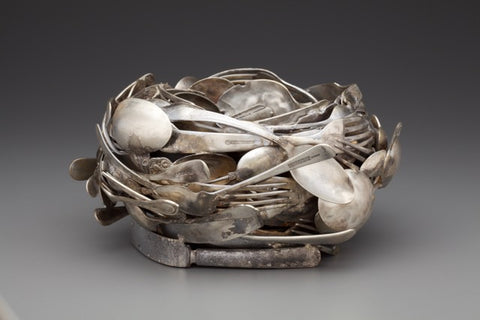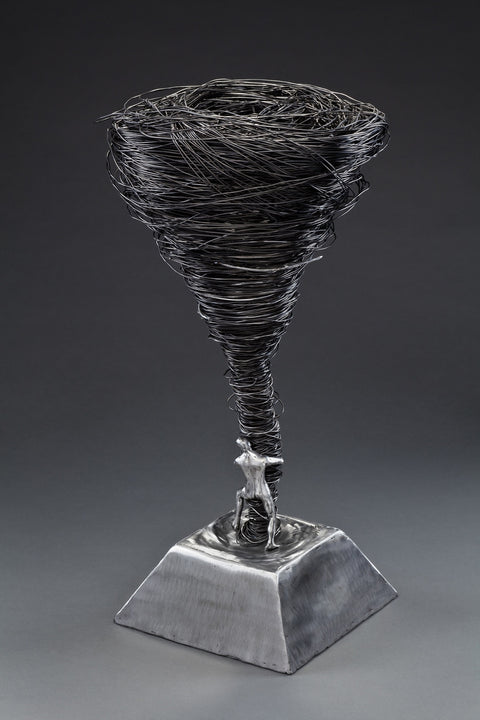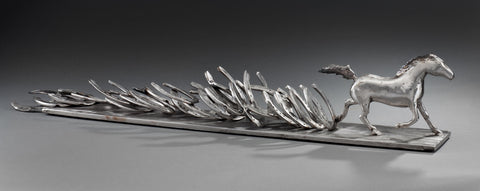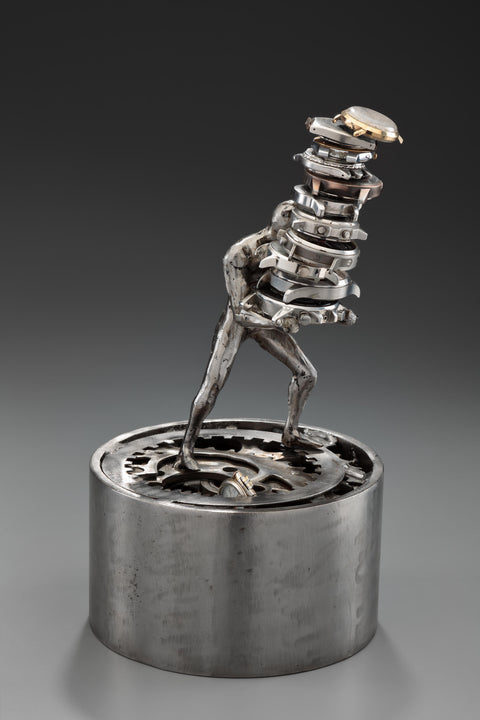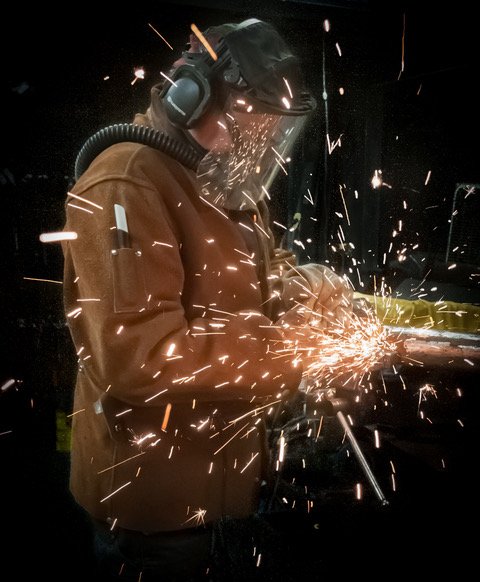
Peter McFarlane is a Canadian sculptor and mixed media artist whose work transforms discarded objects into complex visual philosophies. Based on Salt Spring Island, he has spent decades mining the material overflow of contemporary lifeālandfill, e-waste, broken tools, scrap metalāand turning āgarbageā into intricate, often poetic reflections on value, memory, and imagination.
McFarlane studied at York University (BFA, 1982) and continued his development at the Banff Centre on scholarship from 1982 to 1984. Early on, he gravitated toward conceptually oriented sculpture, installation, and drawing, and quickly recognized the power of found materials. Obsolete circuit boards, cast-off industrial components, and household debris became his vocabulary.
āIāve always had a voracious imagination and a driving desire to make things,ā he notes. āTo me, garbage and waste are just a lack of imagination.ā For McFarlane, discarded objects narrow the infinite possibilities of art-making into a manageable, meaningful set of constraints. Each chosen item arrives with a history: its previous use, its wear, its scars of consumption. In his hands, these objects undergo a ārestorationā of sortsāremoved from one environment, placed into another, and reconfigured so that old meanings are broken, renegotiated, and layered with new ones.
He often describes this as transforming ālandscrapā into landscape, or recycling objects and meaning at the same time. The smallest strand of scrap wire can carry metaphorical weight if properly placed. His works operate as visual essays on excess, consumerism, time, and memoryāinviting viewers to question what is truly disposable.
McFarlaneās career spans solo and group exhibitions across the country and internationally: from early shows in Toronto (Gallery 1313, DeLeon White Gallery, Canadian Sculpture Centre) to major exhibitions at the Art Gallery of Peterborough, the Robert McLaughlin Gallery, MacLaren Art Centre, and recurring shows with Pegasus Gallery and Steffich Fine Art on Salt Spring Island, as well as Canada House in Banff and other venues. His work has appeared in the Salt Spring National Art Prize and the Parallel Art Show (SNAP), where he has received Viewersā Choice awards.
His sculptures and installations are held in public, corporate, and private collections, including the Canada Council Art Bank, Ontario Science Centre, and various corporate collections in Canada and abroad. McFarlaneās practice has been widely documented in print and mediaāfrom Orion Magazine, Woven Tale Press, and Galleries West to international design and art platforms, TV interviews, and a 30-minute documentary.
Though his work cannot materially dent global waste, McFarlane sees it as a symbolic attempt to slow the process downāto pause, reconsider, and re-envision what we have left behind but not forgotten.