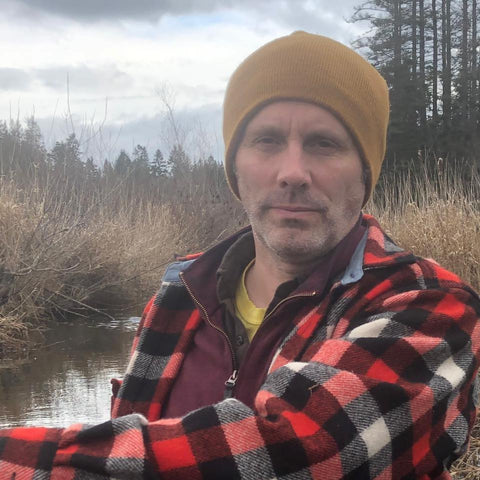
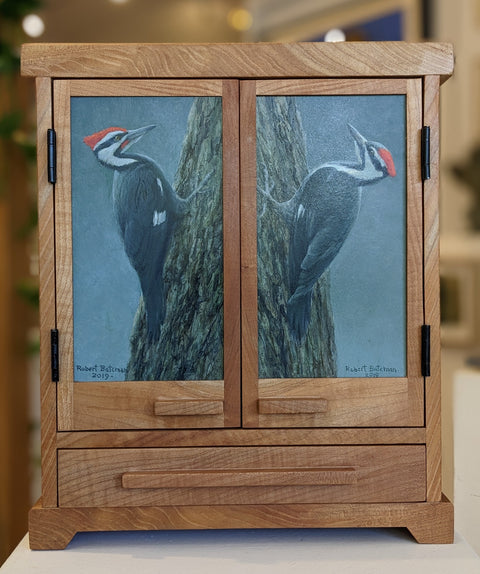
John Bateman is a Canadian multi-disciplinary artist whose practice bridges fine art, woodworking, design, humour, and community engagement. Born in Burlington, Ontario in 1968, Bateman spent his early years exploring the rural landscapes of the Niagara Escarpment—an environment that shaped his appreciation for craft, nature, and storytelling. In 1977 his family moved to Dartmouth, Nova Scotia, where he would later begin formal art studies at NSCAD, majoring in printmaking and sculpture.
Bateman’s path has never been linear. In 1992, mid-degree, he stepped away from art school to open his own recording studio. There he designed album covers, developed a compelling visual language, and eventually served as a Juno Awards design judge. Despite the success of his studio, Bateman found himself pulled back toward hands-on, tactile work. In 1998 he returned to NSCAD to complete his BFA and soon joined the woodshop as technician and teaching assistant under Ken Lamb—an experience that profoundly shaped his relationship with wood as a creative medium.
In 2001, Bateman and his then-partner moved to Kenya to work within a furniture production studio, where he supervised wood drying, treatment, and categorization. This immersive experience in a new cultural and material context expanded his technical skillset and solidified his commitment to woodworking as a primary artistic practice.
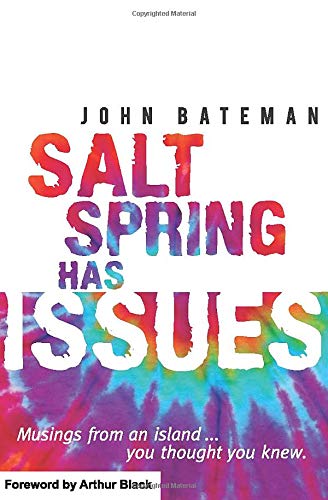
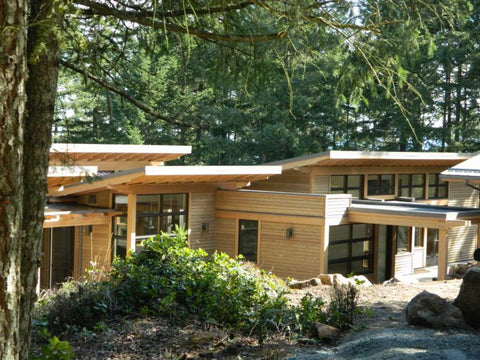
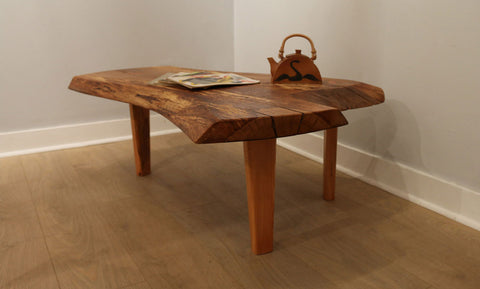
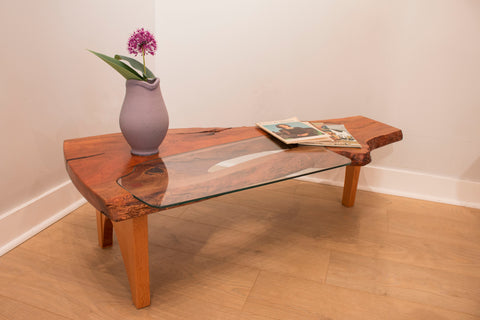
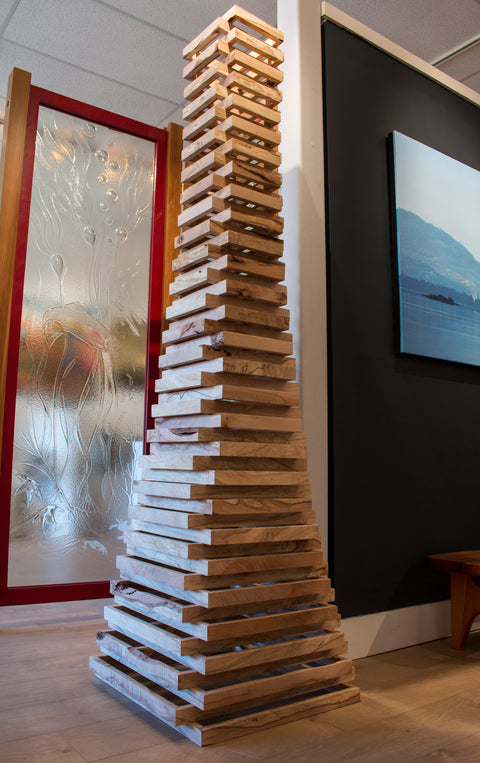
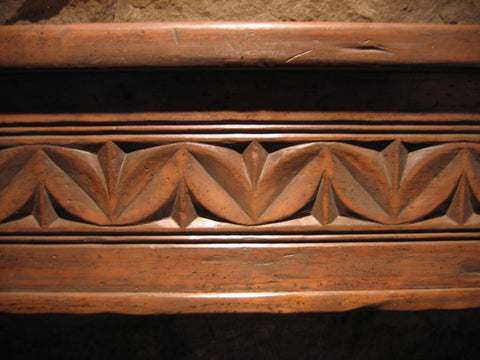
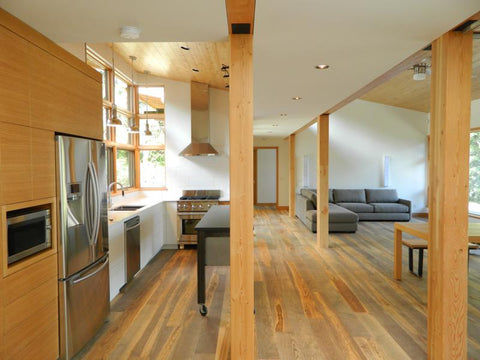
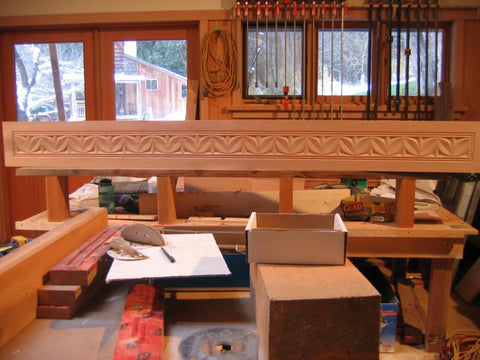
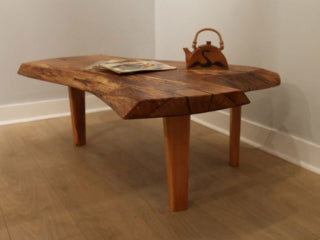
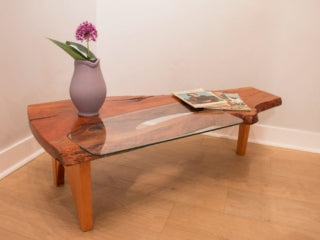
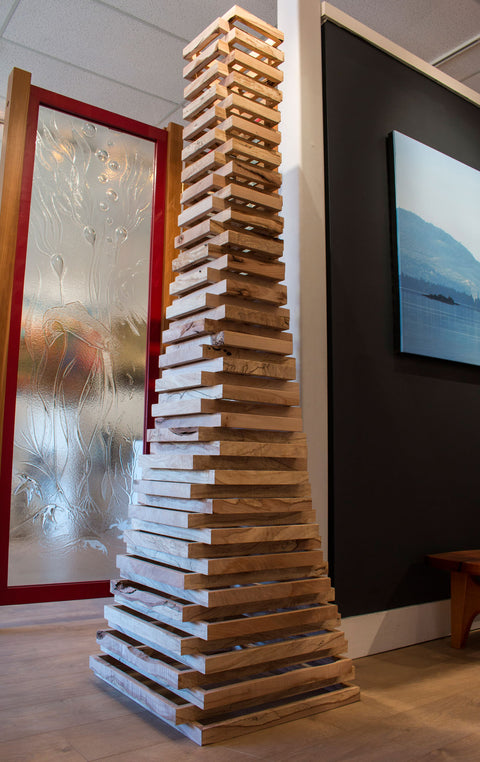
Later that year, Bateman relocated to Salt Spring Island, where he continues to live and work. His artistic output includes sculptural woodworking, functional design objects, drawings, prints, and comedic writing. His works often carry a thread of wit—quiet, clever, and distinctly his—woven through craftsmanship that is grounded in precision and sincerity.
Beyond his studio practice, John is deeply involved in community and mental-health advocacy. He serves as a Champion for Anxiety Canada, uses humour as a bridge for meaningful conversation, and lends his voice to podcasts and events. He sits on the board of the Bateman Foundation, contributing to education, conservation, and creative outreach.
Today, Bateman splits his time between his Salt Spring Island studio and his roles as a father, humourist, and advocate. His work continues to evolve, shaped by his diverse experiences—from the woodshops of NSCAD to the furniture yards of Kenya, from the recording booth to the forested quiet of Salt Spring. Through it all runs a consistent thread: craftsmanship, compassion, and the joy of making.